1. Low Wooden Furniture

Low-profile wooden furniture defines the Japandi aesthetic.
Sofas, beds, and tables sit close to the floor.
Natural wood tones create warmth and a grounded feel.
Pair with neutral fabrics for a clean, minimalist look.
The furniture doubles as art and function.
Simple lines enhance the sense of openness.
Even small rooms feel spacious and uncluttered.
Wood complements other natural materials like stone or linen.
Low furniture emphasizes calm and intentional design.
Layer with a textured rug for visual interest.
Pieces feel timeless yet modern.
The décor feels balanced, earthy, and functional.
The space feels serene, warm, and inviting.
It’s perfect for a modern minimalist lifestyle.
The vibe is natural, simple, and elegantly minimal.
2. Neutral Color Palettes

Use whites, beiges, greys, and muted earth tones.
Soft, natural shades create a calm backdrop.
Add subtle accent colors sparingly for interest.
Neutral palettes highlight wood, textiles, and greenery.
Walls, furniture, and décor items feel harmonious.
The space feels light-filled and spacious.
Mix textures to prevent monotony.
Even minimal furniture feels dynamic with tone variation.
Neutrality emphasizes simplicity without feeling cold.
Layer soft lighting for warmth.
Pair with natural elements for organic balance.
The décor feels cohesive, serene, and sophisticated.
The room feels airy, bright, and uncluttered.
It enhances the clean lines of Japandi design.
The vibe is calming, elegant, and harmonious.
3. Minimalist Storage Solutions
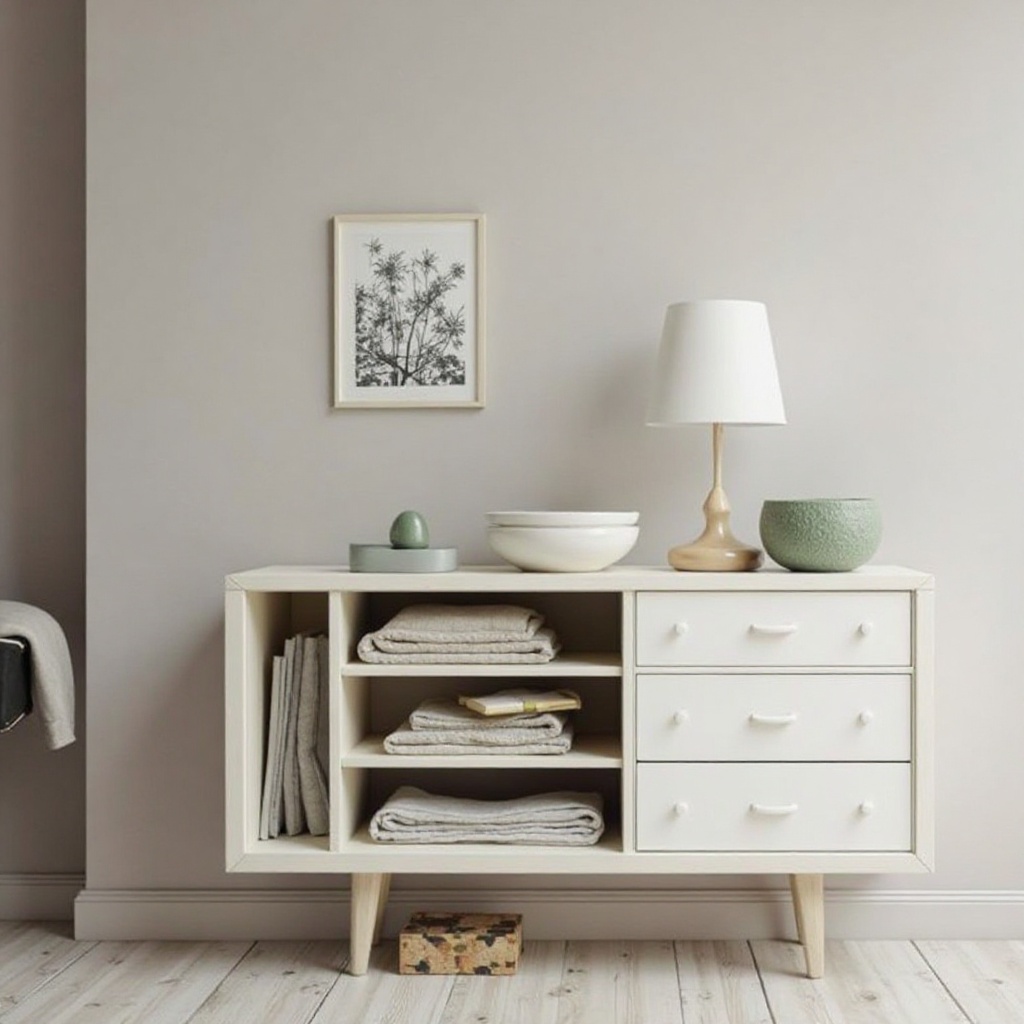
Hidden cabinets, floating shelves, and built-in storage reduce clutter.
Keep countertops and surfaces clean.
Functional storage doubles as décor subtly.
Storage solutions blend seamlessly with the room design.
They help maintain visual calm and order.
Floating shelves display select objects intentionally.
Even small spaces feel organized and airy.
Use drawers and cabinets to hide everyday items.
Minimalist storage emphasizes simplicity and purpose.
The décor feels intentional, clean, and thoughtful.
Layer a few curated items for personal touch.
Materials like light wood or muted laminates work well.
The space feels uncluttered, spacious, and serene.
It encourages mindful living and minimalism.
The vibe is tidy, harmonious, and functional.
4. Natural Textiles

Linen, cotton, and wool enhance texture and warmth.
Use textiles for throws, cushions, curtains, and rugs.
Neutral tones reinforce minimalism while adding softness.
Layer fabrics for depth without clutter.
Natural fibers feel breathable and tactile.
Even subtle patterns or textures add richness.
Textiles create cozy corners in minimalist spaces.
Combine throws and cushions for layered comfort.
The fabrics balance clean lines and wooden elements.
They soften hard surfaces naturally.
Layer with rugs to ground seating areas.
The décor feels relaxed, inviting, and thoughtfully styled.
The room feels calm, tactile, and harmonious.
Natural textiles complement wood and greenery effortlessly.
The vibe is cozy, minimal, and organically elegant.
5. Indoor Greenery

Select small potted plants or bonsai trees.
Plants bring life and vibrancy to minimal spaces.
Use simple pots in neutral colors or natural textures.
Strategically place greenery for subtle focal points.
Even one plant can enhance serenity in a room.
Tall plants or small arrangements create visual layers.
They contrast natural wood and muted tones beautifully.
Indoor greenery adds freshness and calmness.
Plants balance clean lines with organic shapes.
Layer multiple plants for texture and depth.
Decorative yet functional, they purify air and space.
The décor feels alive, natural, and intentional.
The space feels balanced, serene, and inviting.
Greenery enhances the natural Japandi aesthetic effortlessly.
The vibe is peaceful, earthy, and mindful.
6. Scandinavian Lighting

Use pendant lights, floor lamps, or wall sconces.
Simple shapes and clean lines maintain minimalism.
Warm LED bulbs create soft, inviting illumination.
Lighting highlights natural textures and materials.
Layer ambient, task, and accent lights for depth.
Avoid overly decorative fixtures to maintain calm.
Even small lamps enhance cozy corners.
Light emphasizes wood, textiles, and neutral walls.
Minimalist lighting feels functional yet stylish.
Pair with greenery for added warmth.
Soft lighting encourages relaxation and calm.
The décor feels intentional and elegant.
The space feels intimate, comfortable, and balanced.
Lighting sets the mood without overpowering simplicity.
The vibe is warm, functional, and serene.
7. Japanese-Inspired Minimal Artwork

Display abstract ink paintings or minimalist prints.
Use black, white, or muted tones for subtle impact.
Avoid overcrowding walls with too many pieces.
Focus on one or two statement artworks.
Frames in natural wood enhance warmth and cohesion.
Artwork complements furniture and textiles naturally.
Even small spaces feel curated and intentional.
Layer art with open shelving for visual balance.
Pieces tell a story without overwhelming the space.
They reinforce calm and sophisticated aesthetics.
The décor feels curated, minimalist, and elegant.
Walls appear intentional and visually appealing.
Artwork balances neutral palettes effectively.
The room feels artistic, serene, and refined.
The vibe is subtle, modern, and mindful.
8. Functional Decor Objects

Incorporate bowls, trays, and ceramics that serve practical purposes.
Keep objects simple, high-quality, and tactile.
Every piece has a function while enhancing aesthetics.
Avoid excess décor to maintain minimalism.
Materials like wood, clay, or ceramic feel natural.
Use objects sparingly to preserve visual calm.
Even one curated object adds interest to surfaces.
Layer items carefully on shelves or tables.
Functional décor merges beauty with utility seamlessly.
The space feels thoughtful, organized, and intentional.
Pieces highlight texture and natural tones.
Objects reflect a minimalist yet warm approach.
The décor feels practical, elegant, and mindful.
The room feels intentional, clean, and harmonious.
The vibe is functional, simple, and aesthetically balanced.
9. Natural Wood Floors

Light or medium-toned wood floors ground the interior naturally.
They complement low furniture and neutral palettes.
Add area rugs for warmth, texture, and softness.
Wood tones create a sense of continuity and calm.
Flooring anchors furniture and décor layers.
Even small spaces feel cohesive with natural wood.
Pair with minimalist furniture for balance.
Floors reflect natural light for brighter interiors.
They add organic character without clutter.
Wood contrasts textiles and greenery subtly.
The décor feels grounded, warm, and authentic.
The space feels spacious, inviting, and serene.
Floors emphasize harmony across the room.
Natural finishes support the Japandi aesthetic.
The vibe is warm, organic, and minimal.
10. Layered Lighting & Textures

Combine ambient, task, and accent lighting for depth.
Layer cushions, throws, and rugs for tactile richness.
Mix wood, stone, and fabric to create natural balance.
Textures prevent neutral spaces from feeling flat.
Soft textiles contrast clean, minimal lines beautifully.
Lighting emphasizes warmth and comfort.
Layering adds visual interest without clutter.
Balance subtle patterns with smooth surfaces.
Small details create an intentional, lived-in feel.
The décor feels calm, harmonious, and elegant.
Spaces feel curated yet effortless.
Textures and lighting enhance cozy, serene corners.
The home feels balanced, natural, and mindful.
The room feels inviting, layered, and tranquil.
The vibe is serene, harmonious, and effortlessly stylish.