1. Declutter First

Start by removing anything you don’t use.
Keep only items you love and need.
Less stuff creates more calm.
Open spaces feel airy and peaceful.
A clutter-free room instantly looks tidy.
Evaluate each item carefully.
Ask yourself if it adds value.
Donate or discard what doesn’t.
Even small items can make a difference.
Surfaces feel clean and intentional.
Your mind feels lighter too.
Decluttering sets the foundation for order.
It’s the first step in minimalist living.
Focus on quality, not quantity.
Simplicity becomes your aesthetic.
2. Use Under-Bed Storage

The space under your bed is prime real estate.
Use drawers, boxes, or bins to store items.
Perfect for seasonal clothes or extra bedding.
Keeps floors clear and uncluttered.
Choose containers that fit your bed perfectly.
Label boxes for easy access.
Everything has its place.
It hides clutter while remaining accessible.
Even shoes can find a home here.
Maximizes small bedroom spaces.
Your room feels more spacious instantly.
No more piles on the floor.
Under-bed storage is invisible organization.
It’s functional and minimalist.
Your bedroom stays calm and ordered.
3. Keep Surfaces Clear
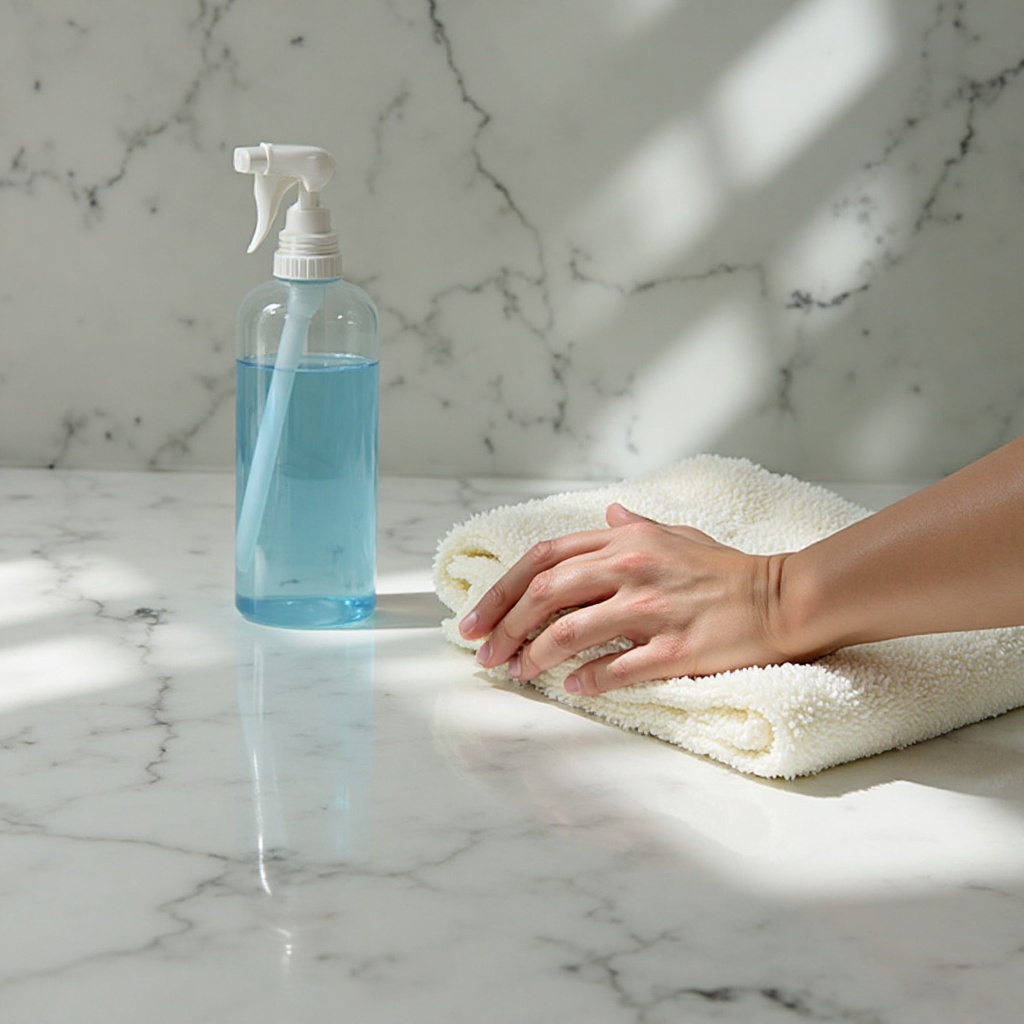
Nightstands and dressers should be minimal.
Limit items to essentials only.
A lamp, a book, maybe a small plant.
Avoid piling things up unnecessarily.
Visual clutter makes a room feel chaotic.
Clear surfaces feel calm and intentional.
Everything has a designated spot.
Decorate sparingly for impact.
Functional items double as decoration.
Even trays can organize small things.
Less is more in minimalist bedrooms.
Daily tidying keeps surfaces neat.
It reduces stress without effort.
Your room feels open and airy.
Clean surfaces create a peaceful vibe.
4. Invest in Multifunctional Furniture
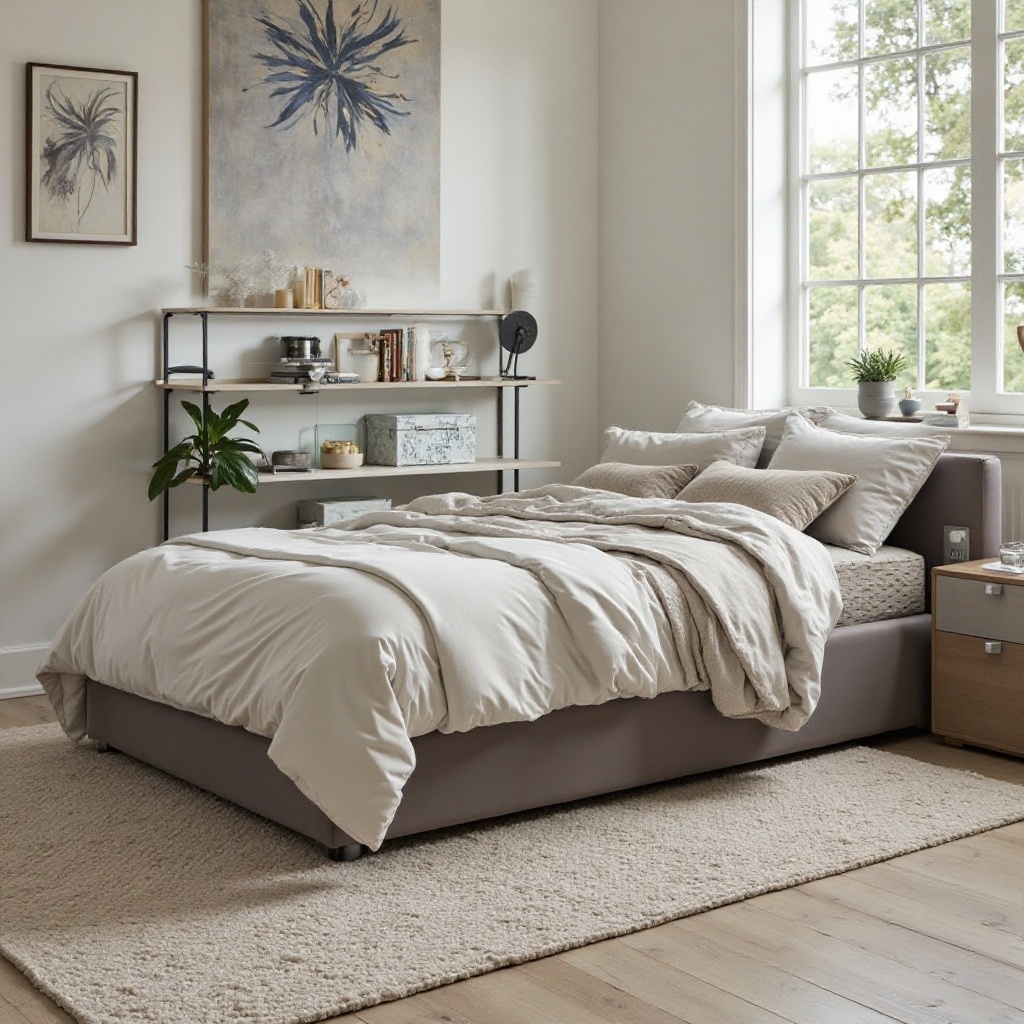
Choose pieces with storage built-in.
Beds with drawers or benches with shelves are ideal.
Nightstands with extra compartments are perfect.
Furniture that does double duty reduces clutter.
Every item has a purpose and place.
Less furniture means more space to move.
Even ottomans can store blankets or books.
Storage furniture hides what you don’t need daily.
It keeps the room tidy without effort.
Simple lines keep the look minimalist.
Avoid overdecorated furniture pieces.
Neutral tones feel calm and cohesive.
Function and style work together.
Your bedroom feels organized effortlessly.
Minimalism becomes functional lifestyle design.
5. Use Vertical Space

Shelves, hooks, and wall organizers are key.
Take advantage of every wall in the room.
Hang bags, hats, or accessories neatly.
Keeps floors clear and easy to clean.
Shelves can display select decor items.
Use hooks for everyday items like robes.
Vertical storage reduces visual clutter.
It makes items accessible without mess.
Even books or small plants can go up high.
Walls become functional storage zones.
It draws eyes upward, creating height.
Choose clean, simple designs.
Consistency makes the room feel curated.
Vertical organization saves valuable space.
Your bedroom feels more open instantly.
6. Minimalist Closet Organization

Stick to a capsule wardrobe or neutral tones.
Fewer clothes make dressing easier.
Uniform hangers create visual harmony.
Arrange clothes by type or color.
Seasonal rotation keeps things relevant.
Donate items you don’t wear.
Shelves and boxes keep small items neat.
Avoid overcrowding to maintain accessibility.
Folded items should be tidy and visible.
Even shoes should have a designated spot.
A simple closet reduces decision fatigue.
Less visual clutter feels calming.
Every item has a purpose and place.
Consistency in style maintains minimalism.
Your closet becomes stress-free storage.
7. Drawer Dividers Are Key

Divide drawers for socks, underwear, and accessories.
Keeps everything in order and easy to grab.
Prevents messy piles that accumulate fast.
Choose adjustable dividers for flexibility.
Even small items have their home.
Label sections for added clarity.
Drawers stay functional and tidy.
Items don’t get lost in the shuffle.
Effortless organization starts on the inside.
Small tweaks make a huge difference.
Daily maintenance keeps drawers neat.
Functional interiors reflect exterior calm.
Simplicity in storage is visually satisfying.
Your daily routine becomes smoother.
Drawers become a minimalist’s best friend.
8. Limit Decorative Items

Keep decor minimal and intentional.
Choose one or two art pieces or plants.
Avoid overcrowding walls or surfaces.
Each item should have a purpose.
Decor can double as functional items.
Candles or trays add subtle style.
Neutral tones keep calmness consistent.
Even small items can create impact.
Too much decoration feels chaotic.
Quality over quantity is key.
Arrange items in simple groupings.
Negative space adds balance and breathing room.
Less is more in visual appeal.
Your room feels curated and peaceful.
Minimalist decor enhances relaxation.
9. Color Code for Calm

Stick to neutral or soft tones.
Matching colors reduce visual clutter.
Even storage boxes can follow a palette.
Bedding, furniture, and accessories coordinate.
Soft textures create cozy simplicity.
Consistency creates a serene environment.
Color choices influence mood subconsciously.
Avoid overly bright or clashing hues.
Even subtle accents make impact.
Neutral tones highlight space and light.
Cohesive colors reduce mental overload.
Organization feels intentional and calm.
Your bedroom looks polished effortlessly.
Visual simplicity feels naturally relaxing.
Color becomes a tool for minimalist order.
10. Daily Reset Habit

Spend 5 minutes tidying every day.
Make your bed and clear surfaces.
Put clothes and items back in their place.
Small daily habits prevent clutter accumulation.
It’s easier than doing a big clean later.
Your room always feels fresh and organized.
Daily reset keeps minimalism sustainable.
No pile-up means less stress and distraction.
Even a few minutes has a big impact.
Involve the whole household if needed.
Consistency turns tidying into routine.
Your bedroom feels cared for and intentional.
Small actions maintain simplicity effortlessly.
Minimalism becomes lifestyle, not task.
Every day ends with a calm, clear space.