1. Minimal Raked Sand Tray

A shallow wooden tray becomes the centerpiece.
Fill it with fine white sand for a soft, neutral base.
Use a small rake to create gentle patterns.
Simple lines bring immediate visual calm.
Place it on a low table or shelf.
Keep surrounding surfaces uncluttered.
Sand texture encourages mindful touch.
Re-rake whenever you need a pause.
The design is intentionally minimal.
Focus on symmetry or asymmetry—both work.
Add a small stone for an accent.
Keep the palette soft and natural.
Avoid bright colors or busy prints nearby.
The corner becomes a quiet meditation spot.
It invites you to slow down.
2. Stone & Pebble Focus Corner

Choose smooth river stones in neutral tones.
Arrange them in clusters or flowing patterns.
Fill a shallow tray with sand as a base.
Place stones thoughtfully, leaving negative space.
Balance large and small stones for harmony.
Focus on texture and shape rather than color.
Rake sand gently around stones to create movement.
Keep extra décor to a minimum.
The arrangement draws the eye naturally.
Natural wood surfaces complement the stones.
Soft lighting highlights textures.
Avoid too many objects to maintain calm.
Negative space is as important as objects.
The corner feels grounding and intentional.
It encourages slow, mindful observation.
3. Candle-Lit Zen Sand Space

Place a small sand tray on a table.
Add a single candle nearby for warmth.
Soft flickering light creates calm reflections.
Choose unscented or subtly scented candles.
Rake simple patterns into the sand.
Position the tray where shadows can fall softly.
Avoid strong, overhead lighting.
Use a neutral tray to keep focus on light and sand.
Include a small stone or driftwood for interest.
Sit nearby during quiet moments.
Allow the flicker to guide breathing.
Keep other décor minimal.
Consider a low, natural-colored table or shelf.
The corner feels intimate and meditative.
It turns a small space into a sanctuary.
4. Bonsai Accent Zen Corner
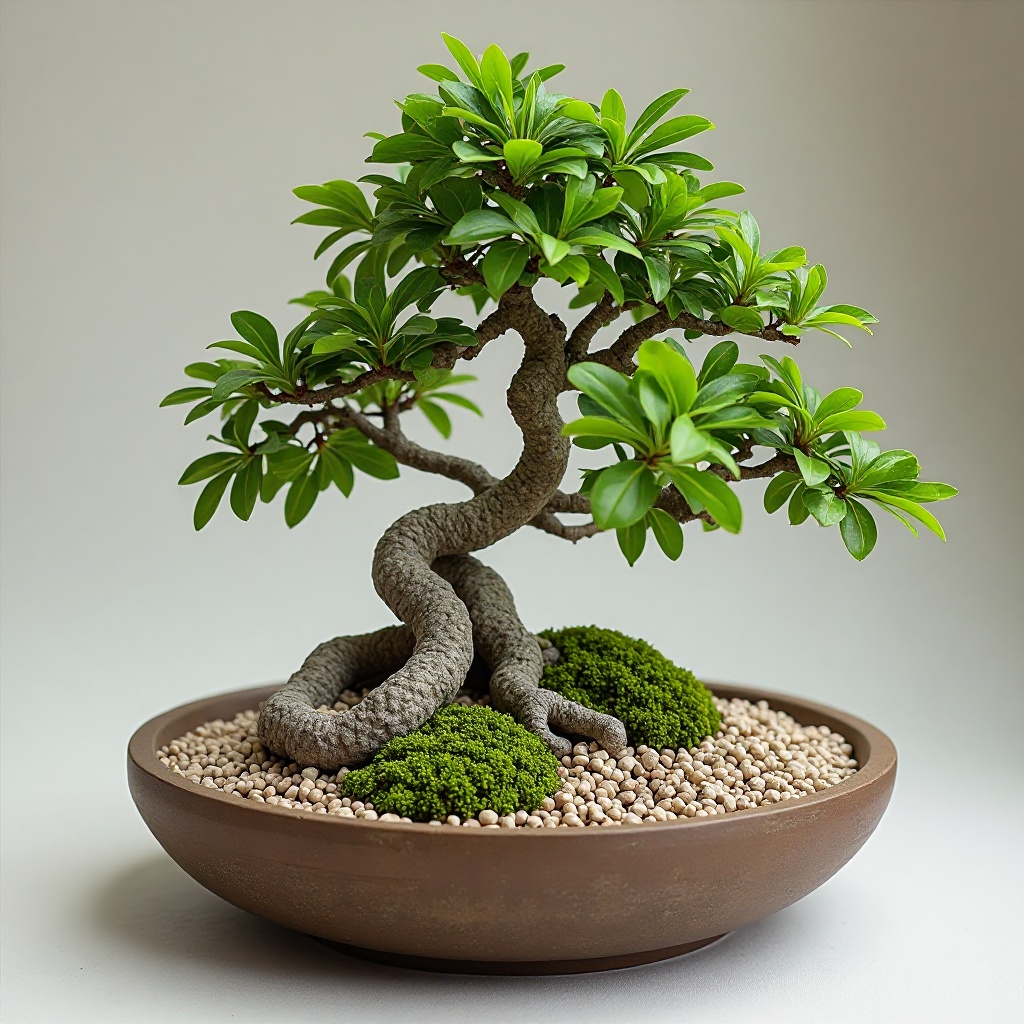
Select a small bonsai tree for the space.
Place it on a sand-filled tray as a focal point.
Rake patterns around the tree to enhance its presence.
Choose a neutral sand and tray to keep the tree prominent.
Arrange small stones to mimic natural landscapes.
Keep the bonsai healthy and pruned.
Use indirect light to highlight the leaves.
Focus on negative space around the tree.
Balance simplicity with natural growth.
Avoid clutter to maintain Zen energy.
Include a small wooden accent if desired.
Soft textures in the surrounding area enhance calm.
The bonsai represents patience and care.
The corner becomes a meditative viewing spot.
It combines stillness with subtle life.
5. Natural Wood Zen Table

Choose a raw, unfinished wood surface.
Place a shallow sand tray directly on top.
Sand texture contrasts beautifully with wood grain.
Avoid glossy or polished finishes for an organic feel.
Add one or two smooth stones for interest.
Rake simple, flowing lines in the sand.
Use natural light to highlight textures.
Keep nearby décor minimal to maintain focus.
Consider a low table to encourage sitting nearby.
Negative space enhances tranquility.
Wood tones warm the neutral palette.
Avoid bright colors or sharp patterns.
The combination feels grounded and earthy.
Perfect for quiet meditation or tea.
It becomes a natural centerpiece in the room.
6. Japanese-Inspired Rock Garden

Select larger stones for a dramatic focal point.
Place them strategically in a sand tray.
Rake sand around stones to mimic water flow.
Balance stone sizes for visual harmony.
Keep surrounding area uncluttered.
Use natural materials like wood or bamboo.
Consider a low table or floor placement.
Add one small accent stone for contrast.
Negative space guides the eye.
Soft lighting emphasizes textures and shadows.
Rake lines can be straight or curved.
Avoid busy patterns nearby.
The setup encourages mindful observation.
The space feels timeless and serene.
It brings a Japanese aesthetic indoors.
7. Window-Side Zen Sand Retreat

Place the sand tray near a window.
Natural light highlights textures and patterns.
Rake soft, flowing lines into the sand.
Shadows change throughout the day, adding interest.
Include one or two stones for grounding.
Avoid clutter that competes with natural light.
Keep surrounding furniture low and simple.
Use neutral or muted colors in the area.
Negative space enhances relaxation.
Consider a soft floor cushion nearby.
The corner becomes a quiet observation point.
Morning light energizes, evening light soothes.
Minimal décor supports mindfulness.
The space feels connected to nature.
It encourages slow, intentional pauses.
8. Meditation Cushion Companion Corner

Place a soft floor cushion near a sand tray.
Sand becomes a visual focus during meditation.
Rake gentle lines for a calming effect.
Add one stone or small bonsai for grounding.
Keep the area uncluttered to maintain focus.
Use soft, neutral colors for serenity.
Low lighting enhances peacefulness.
The tray can be re-arranged during meditation.
Include a small wooden or ceramic accent.
Encourage mindful breathing while observing patterns.
Negative space supports calm energy.
Consider incense or candlelight for subtle ambiance.
Avoid screens or noisy objects nearby.
The corner feels like a retreat within the home.
It supports intentional, restorative practice.
9. Shelf-Mounted Mini Zen Garden

Choose a small sand tray that fits a shelf.
Keep sand and stones neutral for simplicity.
Rake tiny patterns daily or weekly.
Include one miniature stone or driftwood piece.
Keep nearby décor minimal to prevent distraction.
Use a wooden or ceramic tray for natural balance.
The corner works in small spaces or apartments.
Place near indirect light for soft shadows.
Negative space allows the mind to rest.
Small details encourage mindfulness.
The setup is portable and flexible.
Soft textures in surroundings enhance calm.
It’s perfect for workspaces or bedside shelves.
The mini garden encourages short mindfulness breaks.
It makes a small space feel intentionally peaceful.
10. Monochrome Zen Sand Space

Stick to one color family for harmony.
Choose sand, stones, and tray in complementary tones.
Rake patterns into the sand to create subtle movement.
Add one or two stones for depth.
Keep all surrounding décor muted or neutral.
Avoid contrasting colors to maintain calm.
Soft lighting emphasizes textures.
Consider a low table or shelf for placement.
Negative space balances the composition.
Use natural materials like wood or bamboo for accents.
The corner feels intentional and cohesive.
Patterns can be linear or flowing.
The design encourages quiet contemplation.
It creates a visually soothing environment.
The space feels deeply relaxing and grounded.